

When people hear “red light therapy,” they often think of skin, muscles, or recovery. What’s less commonly discussed is the brain — even though the brain is one of the most energy-demanding organs in the body.
Modern life places an unprecedented load on cognitive function. Screens, artificial lighting, constant notifications, poor sleep, and chronic stress quietly shape how the brain feels and performs. Many people describe the result as brain fog, low focus, emotional flatness, or persistent mental fatigue.
In recent years, red and near-infrared light therapy has begun to attract attention for its potential role in supporting brain health. Not as a cure or shortcut, but as a way to support the biological foundations of how the brain produces energy, manages stress, and maintains clarity.
An Unexpected Truth: The Brain Is an Energy Organ First
One of the least intuitive facts about the brain is how energy-hungry it is. Although it makes up only about 2% of body weight, the brain consumes roughly 20% of the body’s total energy.
Every thought, memory, emotion, and decision relies on ATP — the energy currency produced inside mitochondria. When mitochondrial function is compromised, the brain does not “fail dramatically.” Instead, it becomes slower, less resilient, and more easily overwhelmed.
This is one reason mental fatigue often appears before physical exhaustion.
How Red and Near-Infrared Light Interact With Brain Cells
Red and near-infrared light are unique because of how deeply they penetrate tissue. Near-infrared wavelengths, in particular, can pass through skin, bone, and into underlying tissues more effectively than visible light.
At the cellular level, these wavelengths interact with mitochondria, helping improve the efficiency of ATP production and reducing oxidative stress. This interaction has been studied extensively in muscles and skin, but the same cellular mechanisms exist in neurons.
When brain cells have better access to energy, they are better able to maintain signaling, adapt to stress, and recover from cognitive load.
Blood Flow, Oxygen, and Mental Clarity
Another underappreciated factor in brain performance is circulation. Adequate blood flow is essential for delivering oxygen and nutrients to neurons while removing metabolic waste.
Research suggests that near-infrared light can support microcirculation and improve blood flow in targeted areas. In the context of brain health, this may help explain why some people report improved clarity, alertness, or focus after consistent light therapy sessions.
Rather than stimulating the brain in a harsh or artificial way, light appears to support the conditions that allow the brain to function more efficiently on its own.

Stress, Inflammation, and the Nervous System
Chronic stress places the brain in a constant state of alert. Elevated cortisol and low-grade inflammation can interfere with neurotransmitter signaling and neural plasticity.
Red and near-infrared light have demonstrated anti-inflammatory effects in various tissues. While research into direct neurological effects is still developing, reducing systemic inflammation and supporting nervous system balance can indirectly benefit brain health.
Many users describe the experience of light therapy not as stimulating, but calming — a subtle shift toward mental ease rather than heightened arousal.
Why Modern Brains May Be More Vulnerable Than Ever
Human brains evolved in environments rich in natural light, physical movement, and periods of true rest. Today, many people spend most of their waking hours indoors, under artificial lighting, with limited exposure to the full light spectrum.
This doesn’t just affect mood or sleep. It changes the signals the brain receives about time, safety, and energy availability.
Red and near-infrared wavelengths are naturally present in sunlight, particularly during morning and evening hours. When those signals are reduced, the brain quietly adapts — often with reduced resilience and slower recovery.
Light Therapy as a Supportive Tool, Not a Shortcut
Red light therapy is not a replacement for sleep, movement, or mental rest. It works best when used as part of a broader routine that supports brain health.
Many people integrate light therapy alongside:
- Morning routines to support alertness
- Meditation or breathwork to calm the nervous system
- Gentle movement or stretching
- Evening wind-down rituals
Consistency matters more than intensity. The goal is to support the brain’s energy systems gently and regularly.
Integrating Light Into Daily Life
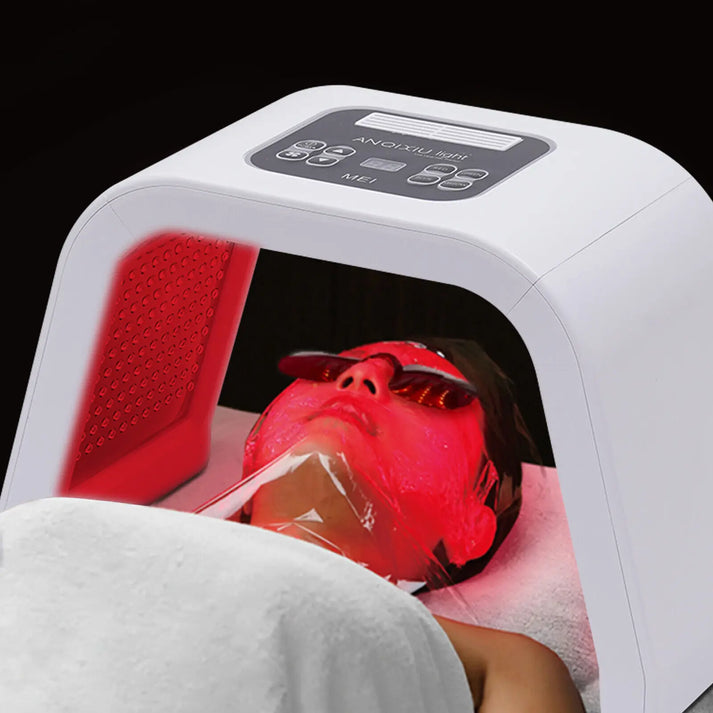
Featured Product
Maison Infrared™ Multi-Wavelength Therapy Device
A full-spectrum red and near-infrared light device designed to support cellular energy, circulation, and recovery — including areas close to the head, neck, and upper body.
- Red & near-infrared wavelengths
- Supports cellular energy production
- Non-invasive and gentle for regular use
- Complements meditation and recovery routines
Final Thoughts
Brain health is not just about cognition. It is about energy, resilience, emotional regulation, and the ability to recover from modern life.
Red and near-infrared light therapy is not a trend aimed at optimization for its own sake. It is a growing area of research focused on how light supports the most fundamental processes inside our cells — including those in the brain.
As our environments become increasingly artificial, supportive tools that help restore biological balance may become less optional and more essential.
Sometimes, improving brain health isn’t about pushing harder. It’s about giving the brain the conditions it needs to function well.