

Red light therapy has been gaining attention everywhere — wellness studios, beauty salons, social feeds — but you might wonder: is this just another fad, or is there real science behind it?
The truth is, red and near-infrared light therapy is backed by decades of research, supporting everything from skin rejuvenation to muscle recovery and cellular energy production.
What Red Light Therapy Actually Does
Red light therapy (RLT), also called photobiomodulation, uses specific wavelengths — typically red (630–670 nm) and near-infrared (810–850 nm) — to stimulate cellular function. This enhances mitochondrial activity, reduces inflammation, improves circulation, and accelerates tissue repair.
Key benefits include:
- Increased collagen and elastin production for firmer, youthful-looking skin
- Reduced inflammation and faster recovery in muscles and joints
- Improved circulation and oxygen delivery to tissues
- Support for hair follicle regeneration and scalp health
- Enhanced overall cellular energy and wellness
Why It Feels Trendy
Red light therapy has become popular for a few reasons:
- It’s visually appealing — sleek devices, glowing results
- Influencers and celebrities showcase it regularly
- At-home devices make it accessible for daily routines
But popularity doesn’t mean it’s just hype — the science is strong.
Integrating Red Light Into Your Wellness Routine
Red light therapy works best as part of a consistent wellness routine. Pair it with:
- Daily movement — walking, yoga, or light strength training
- Mindful practices — meditation, breathwork, and relaxation
- Healthy sleep, nutrition, and hydration
Think of it as modern sunlight for your cells, especially if you spend long hours indoors.
Maison Infrared™ Multi-Wavelength Therapy Device
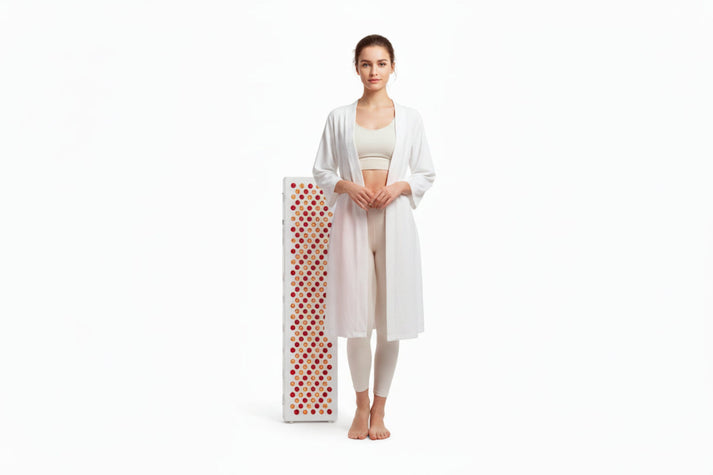
Featured Product
Maison Infrared™ Multi-Wavelength Therapy Device
Professional-grade red and near-infrared therapy device for home use, supporting skin rejuvenation, muscle recovery, and overall wellness.
- Full-spectrum red & near-infrared wavelengths
- Supports skin, hair, and muscle recovery
- Non-invasive, at-home therapy
- Flexible for daily wellness routines
Final Thoughts
Red light therapy isn’t just a passing trend. It is a scientifically supported tool that enhances cellular function, supports recovery, and complements modern wellness routines. With regular use and mindful integration into daily habits, it can offer real, lasting benefits — far beyond the hype.