

Full-Body Red Light Therapy at Home: Benefits & Research Overview
What are the real benefits of full-body red light therapy at home — and is it worth investing in?
This guide explains how it works, what current research suggests, and how consistent at-home use can support the body from the inside out.
What Is Full-Body Red Light Therapy?
Full-body red light therapy uses specific therapeutic wavelengths of red light (around 660nm) and near-infrared light (around 850nm) to stimulate cellular function throughout the body.
Unlike UV exposure, these wavelengths do not damage the skin. Instead, they penetrate into tissue, muscles, joints, and connective structures, activating mitochondria — the energy centers of your cells.
When mitochondria absorb red and near-infrared light, they increase ATP production (cellular energy). This process, known as photobiomodulation, supports cellular repair, regeneration, and physiological balance. You can learn more about therapeutic light exposure in our guide to infrared sauna safety and light-based recovery.
Scientifically Studied Benefits of Full-Body Red Light Therapy
Reduced Inflammation & Pain Relief
One of the most studied benefits of red and near-infrared therapy is its ability to modulate inflammation. By improving circulation and cellular efficiency, full-body sessions may help reduce joint discomfort, muscle soreness, stiffness, and chronic inflammatory stress — which is why many people now integrate infrared recovery therapy into structured wellness routines.
Faster Muscle Recovery & Physical Performance
Athletes and active individuals use full-body red light therapy to support tissue repair after training. Regular exposure may help reduce delayed onset muscle soreness (DOMS) and support muscle regeneration between sessions.
Improved Skin Health & Collagen Support
Red light stimulates fibroblasts — the cells responsible for collagen and elastin production. With consistent exposure, users often report improved skin texture, elasticity, and overall tone, driven by deeper cellular renewal rather than surface-level treatments.
Better Sleep & Nervous System Regulation
Near-infrared wavelengths may help regulate stress responses and support parasympathetic activation. Evening sessions can contribute to relaxation, deeper sleep cycles, and more stable circadian rhythms — particularly during darker months.
Increased Energy & Mitochondrial Support
Because red light directly supports mitochondrial ATP production, many users experience increased daytime energy and improved focus. This is not a stimulant effect — it reflects improved cellular efficiency at its source.
Support for Mood & Emotional Wellbeing
By supporting circulation, reducing inflammatory stress, and influencing serotonin-related pathways, full-body light therapy may indirectly contribute to improved mood and overall emotional resilience.

Why More People Are Choosing Red Light Therapy at Home
Clinic-based treatments can be costly and difficult to maintain long-term. At-home devices allow for consistency — and consistency is where measurable benefits tend to emerge.
With a home setup, sessions can become part of a routine: after workouts, before bed, or as a structured recovery practice. Most protocols suggest 10–20 minute sessions, several times per week, with benefits building gradually over 4–12 weeks.
Red Light Panels vs Infrared Sauna Systems: What’s the Difference?
At-home red light therapy can be delivered through standalone panels or integrated into full-spectrum infrared sauna systems. While panels provide direct exposure to targeted areas, sauna systems combine heat therapy and therapeutic wavelengths for a broader recovery experience.
- Red light panels: Compact, focused, and ideal for targeted or full-body standing sessions.
- Infrared sauna systems: Combine deep heat and therapeutic light for a multi-modality recovery protocol.
For those exploring heat-integrated systems, some low-EMF full-spectrum infrared sauna solutions incorporate therapeutic wavelengths within a structured at-home environment.
Is Full-Body Red Light Therapy Safe at Home?
When using high-quality devices designed for clinically studied wavelengths, red and near-infrared light therapy is generally considered safe. It is non-invasive, drug-free, and well tolerated by most individuals.
When choosing a device, look for:
- Clinically studied wavelengths (around 660nm & 850nm)
- Low EMF output
- Clear certifications and safety testing
- Defined usage guidelines
Device quality matters. Lower-grade panels may produce inconsistent wavelengths or unnecessary EMF exposure. Selecting a low-EMF, properly engineered system ensures both safety and therapeutic reliability.
How to Use Full-Body Red Light Therapy at Home
- Session length: 10–20 minutes
- Frequency: 3–5 times per week
- Distance: Follow manufacturer guidelines for optimal exposure
Results tend to build gradually. Like exercise or nutritional changes, light therapy works best when applied consistently over time.
Is Full-Body Red Light Therapy Worth the Investment?
For individuals committed to long-term recovery, skin health, and cellular performance, full-body red light therapy can become one of the most consistent tools in a structured home wellness routine. The key is selecting a device built around correct wavelengths, stable output, and low-EMF engineering.
A Full-Body Red Light Therapy Solution for Home Use
If you’re considering adding structured red light therapy to your home recovery routine, choosing a properly engineered multi-wavelength device is essential.
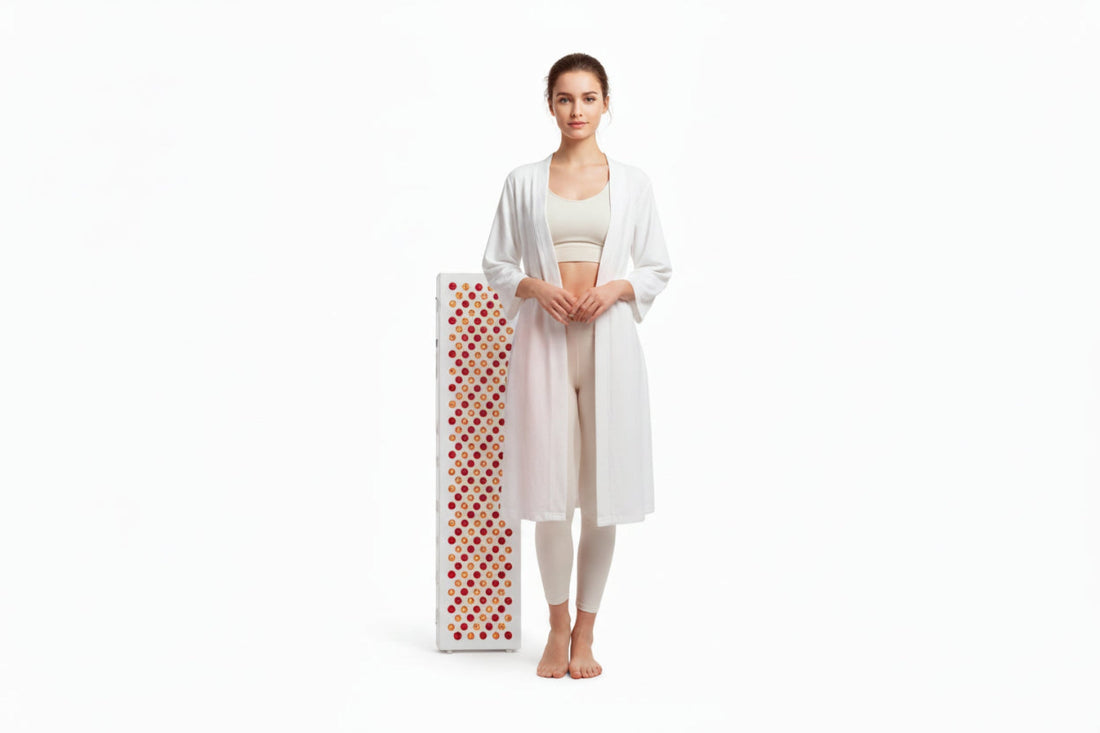 |
Maison Infrared™ Multi-Wavelength Red & Infrared Therapy DeviceDesigned for consistent, full-body red and near-infrared exposure, this multi-wavelength device delivers clinically aligned 660nm and 850nm light to support recovery, circulation, skin health, and mitochondrial function.
|
Final Thoughts
Full-body red light therapy at home is not about quick fixes. It supports the body’s natural capacity to repair, regenerate, and rebalance — gradually and consistently.
When used as part of a structured wellness routine, it can become a foundational recovery tool for modern living.
Full-Body Red Light Therapy at Home – FAQ
How long does full-body red light therapy take to work?
Most users notice gradual improvements within 4–8 weeks of consistent use. Benefits such as skin support and recovery build over time.
Can I use red light therapy every day?
Yes, most protocols allow daily use, though 3–5 sessions per week is common. Always follow manufacturer guidance.
Does full-body red light therapy replace infrared sauna?
No. Red light panels provide direct photobiomodulation, while infrared saunas combine heat and light exposure for broader recovery benefits.
What wavelength is best for full-body therapy?
Wavelengths around 660nm (red) and 850nm (near-infrared) are the most commonly studied for tissue support and cellular energy.
